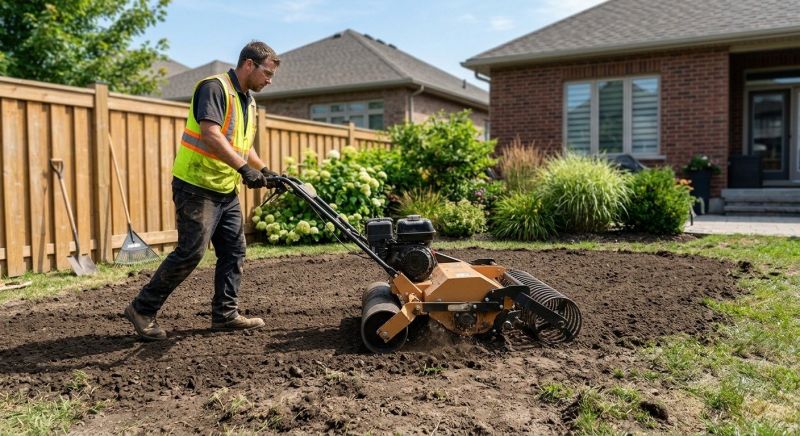
Driveway Leveling in Houston, TX
Driveway leveling services focus on correcting uneven or sloped concrete surfaces to restore a smooth, safe, and functional driveway. This service is suitable for a variety of projects, including residential driveways that have developed cracks, dips, or heaving due to soil movement, weather conditions, or age. Property owners often seek driveway leveling to improve curb appeal, prevent water pooling, and avoid potential tripping hazards, ensuring the driveway remains durable and visually appealing for years to come.
Before requesting driveway leveling, property owners typically want to understand the extent of the unevenness, the causes behind the shifting, and the best methods to address the issue. It’s important to evaluate whether the existing driveway can be effectively leveled or if repairs or replacement might be necessary. Clear communication about the condition of the driveway and the desired outcome can help determine the most appropriate approach for restoring a level surface that meets safety and aesthetic expectations.
Many property owners in Houston, TX look into Driveway Leveling for repairs, replacements, upgrades, and appearance-related improvements.
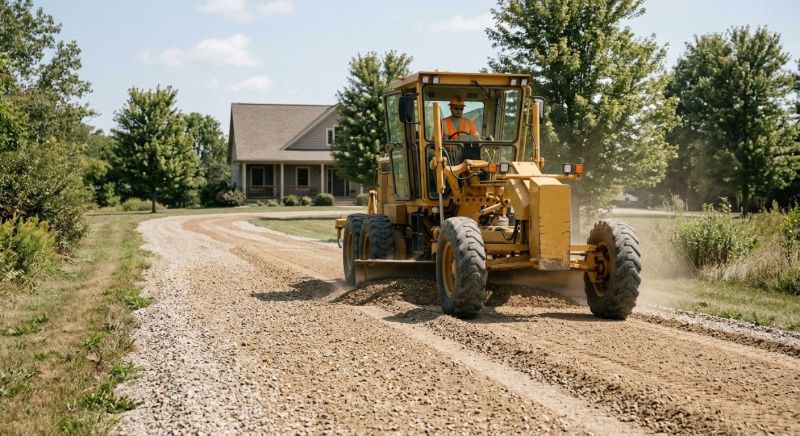
Benefits Of Driveway Leveling
Proper leveling enhances safety and prevents water pooling around your property.
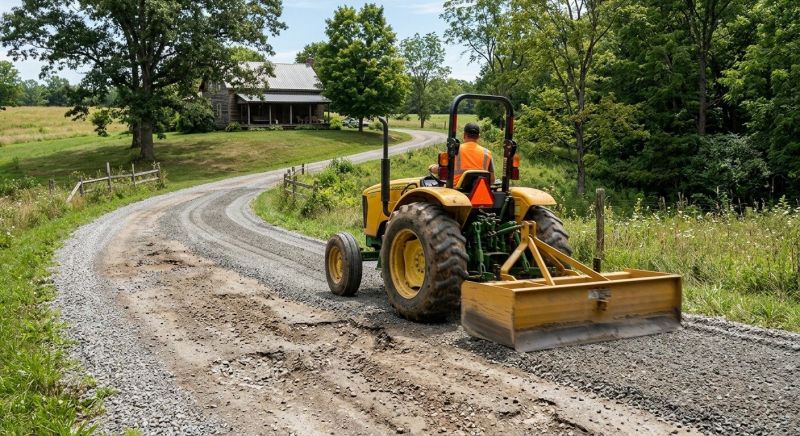
Common Driveway Issues
Uneven surfaces, cracks, and sinking are typical signs that driveway leveling may be needed.
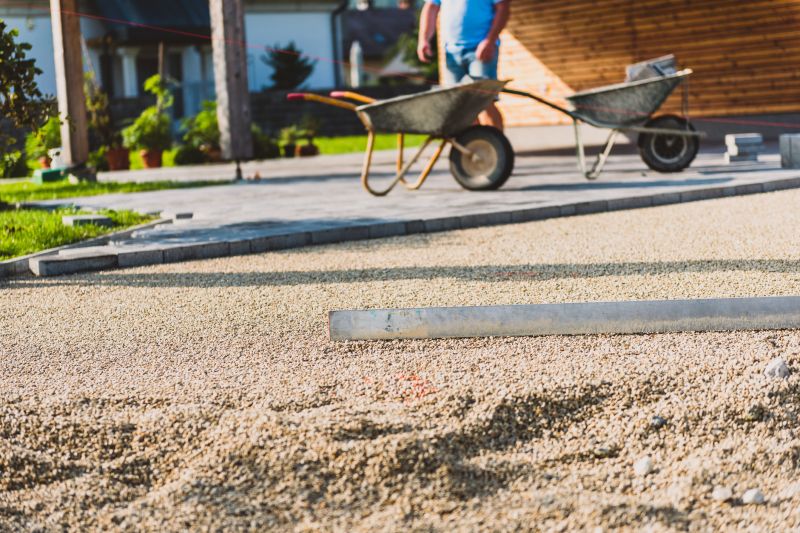
Materials And Techniques
Driveway leveling often involves soil stabilization and slab adjustment to restore a smooth surface.
Driveway Leveling in Houston, TX
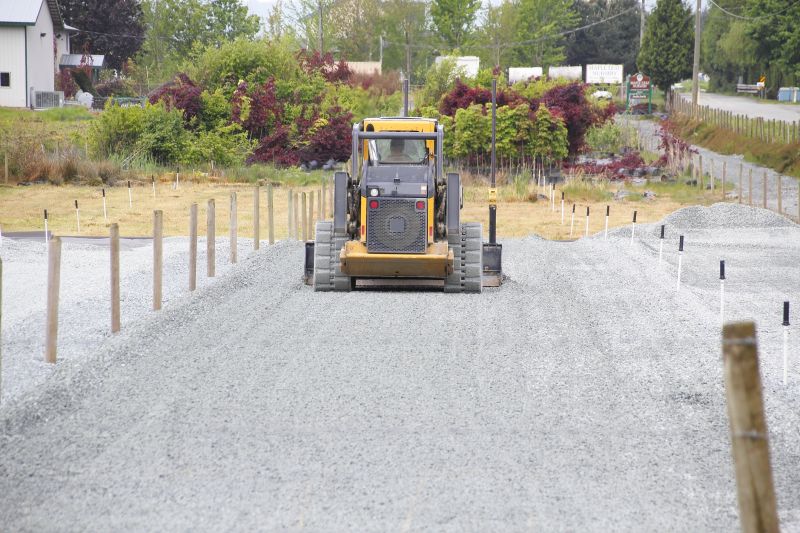
Driveway leveling services focus on correcting uneven or sloped concrete surfaces to restore a smooth, safe, and functional driveway. This service is suitable for a variety of projects, including residential driveways that have developed cracks, dips, or heaving due to soil movement, weather conditions, or age. Property owners often seek driveway leveling to improve curb appeal, prevent water pooling, and avoid potential tripping hazards, ensuring the driveway remains durable and visually appealing for years to come.
Before requesting driveway leveling, property owners typically want to understand the extent of the unevenness, the causes behind the shifting, and the best methods to address the issue. It’s important to evaluate whether the existing driveway can be effectively leveled or if repairs or replacement might be necessary. Clear communication about the condition of the driveway and the desired outcome can help determine the most appropriate approach for restoring a level surface that meets safety and aesthetic expectations.
Many property owners in Houston, TX look into Driveway Leveling for repairs, replacements, upgrades, and appearance-related improvements.
Common Driveway Leveling Jobs
Driveway leveling involves correcting uneven surfaces to improve safety and appearance.
Concrete driveway repairs address cracks, settling, and surface irregularities for a smoother finish.
Asphalt driveway adjustments help restore proper drainage and prevent further damage.
Slope correction ensures water flows away from the property, reducing erosion risks.
Surface resurfacing can restore a level, durable driveway surface for long-term use.
Uneven driveway fixes can enhance curb appeal and prevent trip hazards around the home.
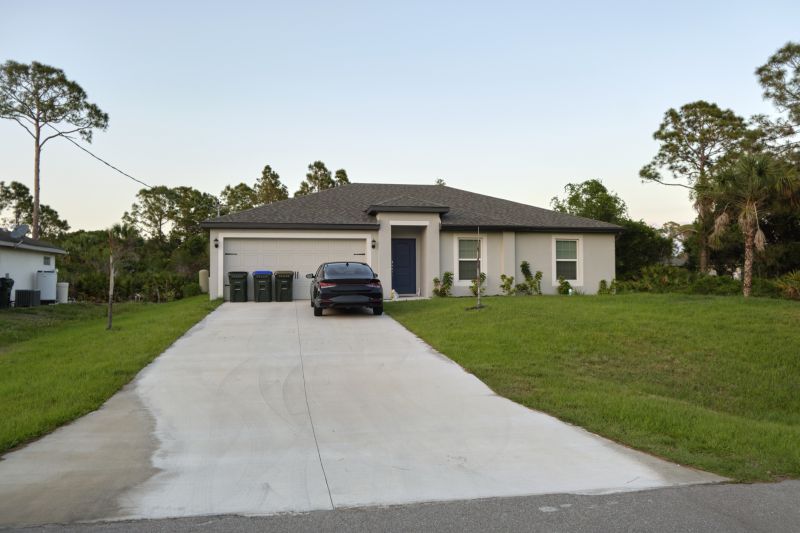
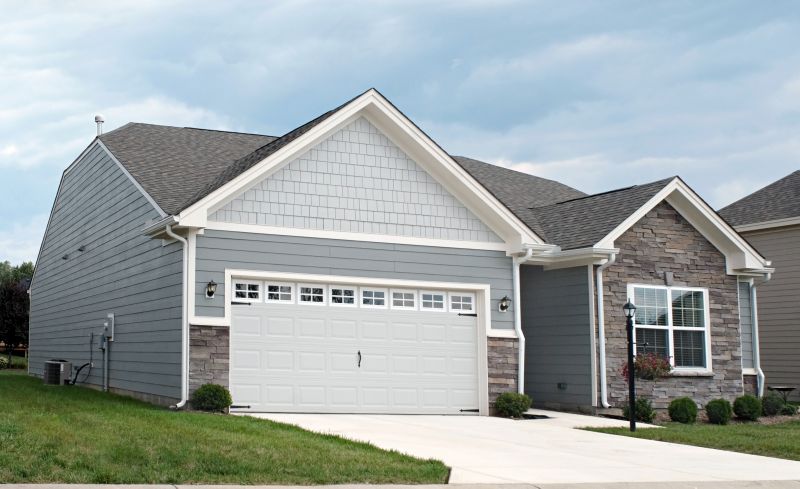

Driveway Leveling Questions
What causes driveway unevenness? Driveway unevenness can result from soil settlement, poor initial grading, or ground movement over time.
How can driveway leveling improve property appearance? Leveling restores a smooth surface, enhancing curb appeal and making the driveway safer for vehicles and pedestrians.
Is driveway leveling suitable for all types of driveways? It is commonly effective for asphalt, concrete, and gravel driveways experiencing settling or cracks.
What signs indicate driveway leveling may be needed? Noticeable dips, cracks, or pooling water are common signs that a driveway may require leveling services.
Request Driveway Leveling in Houston, TX
Use the quote form on this page to share the basics of your project and request more information for the type of work you need.