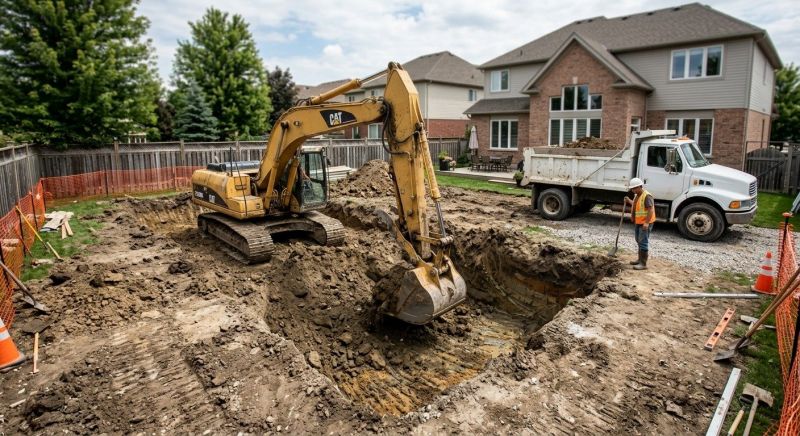
Pool Excavation in Atlanta, GA
Pool excavation services involve the careful removal of soil and earth to prepare a site for a new swimming pool installation or renovation. This process typically includes digging the foundation, shaping the pool’s dimensions, and ensuring proper grading for drainage and stability. Property owners often seek this service for residential projects such as in-ground pools, spa installations, or large-scale backyard renovations, and may want to understand the scope of excavation work, site preparation requirements, and how the process integrates with other construction steps.
Before requesting pool excavation, homeowners should consider factors like the size and design of the pool, the terrain and soil conditions of the property, and any local regulations or permits that may be required. Clear communication about property access, underground utilities, and the desired outcome can help ensure the excavation process proceeds smoothly. Understanding these elements can assist property owners in planning effectively and coordinating with excavation specialists for a successful project.
Many property owners in Atlanta, GA look into Pool Excavation for repairs, replacements, upgrades, and appearance-related improvements.
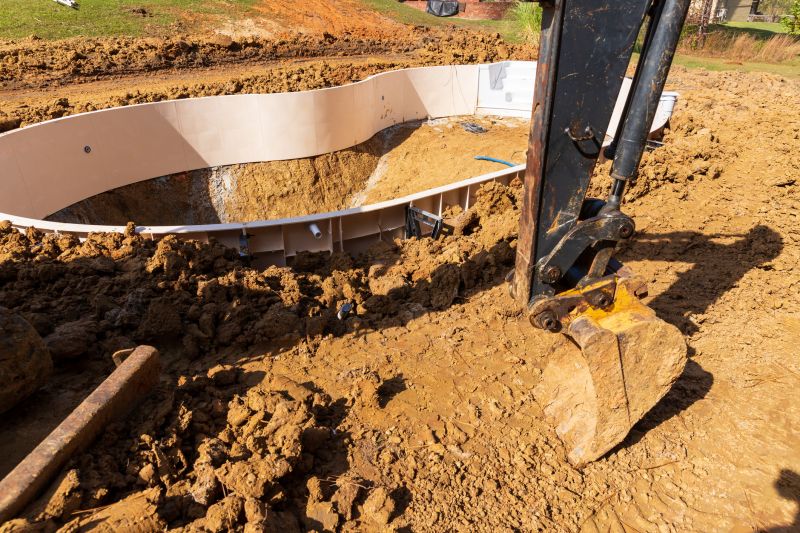
Pool Excavation Planning
Proper site assessment ensures a smooth excavation process for new pool installations.
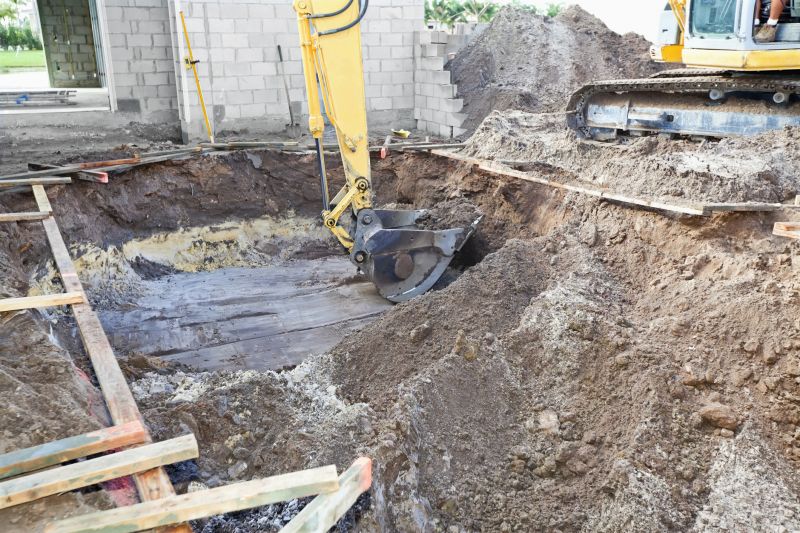
Excavation Techniques
Different methods are used to safely and efficiently remove soil for various pool designs.
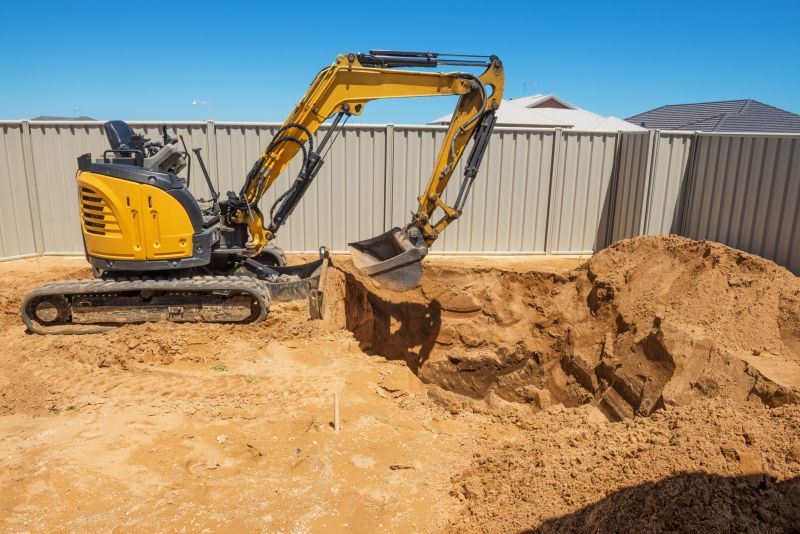
Preparation For Pool Construction
Excavation creates a stable foundation essential for the longevity and safety of the pool.
Pool Excavation in Atlanta, GA
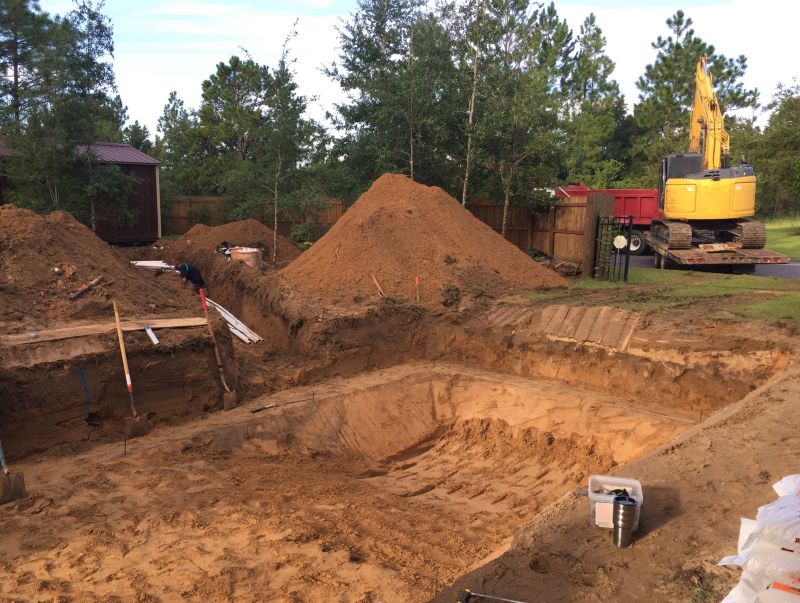
Pool excavation services involve the careful removal of soil and earth to prepare a site for a new swimming pool installation or renovation. This process typically includes digging the foundation, shaping the pool’s dimensions, and ensuring proper grading for drainage and stability. Property owners often seek this service for residential projects such as in-ground pools, spa installations, or large-scale backyard renovations, and may want to understand the scope of excavation work, site preparation requirements, and how the process integrates with other construction steps.
Before requesting pool excavation, homeowners should consider factors like the size and design of the pool, the terrain and soil conditions of the property, and any local regulations or permits that may be required. Clear communication about property access, underground utilities, and the desired outcome can help ensure the excavation process proceeds smoothly. Understanding these elements can assist property owners in planning effectively and coordinating with excavation specialists for a successful project.
Many property owners in Atlanta, GA look into Pool Excavation for repairs, replacements, upgrades, and appearance-related improvements.
Common Pool Excavation Jobs
Pool excavation involves digging the foundation for new swimming pools or spa installations.
Pool removal services safely excavate and remove existing pools no longer in use.
Land clearing prepares the yard by removing debris and leveling the area for pool construction.
Site grading ensures proper drainage and a stable foundation for the pool.
Debris removal clears the excavation site of excess soil, rocks, and construction materials.
Pool demolition involves carefully breaking down and removing outdated or damaged pools.
Pool Excavation Questions
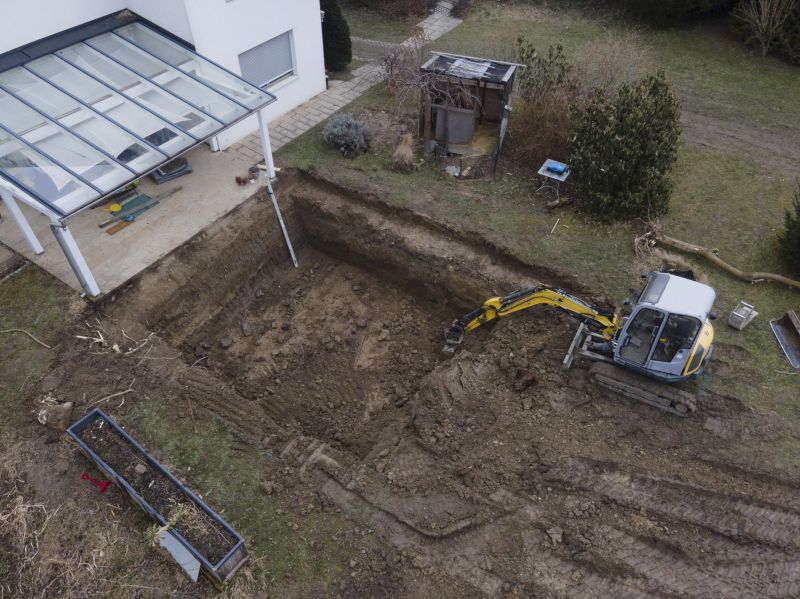
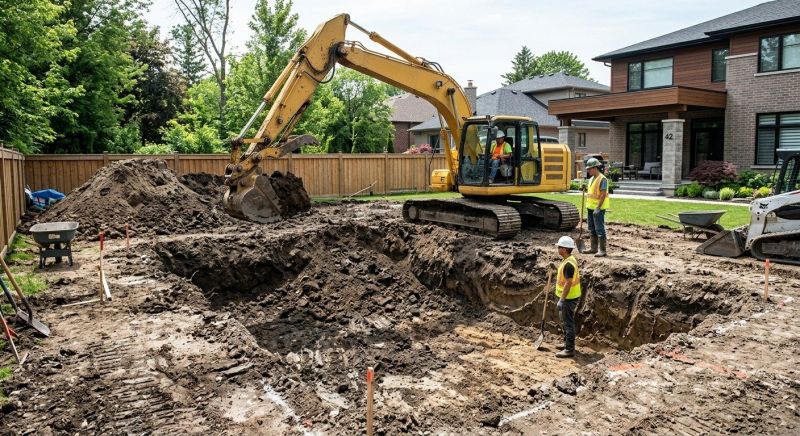
What is involved in pool excavation? Pool excavation includes removing soil and shaping the site to prepare for pool installation or removal.
When should a pool be excavated? Excavation is necessary during new pool construction or when removing an existing pool from the property.
What types of pools require excavation? In-ground pools, including concrete, vinyl, and fiberglass options, typically require excavation.
Are there property considerations for excavation? Adequate space and proper drainage are important factors for safe and effective excavation work.
Request Pool Excavation in Atlanta, GA
Use the quote form on this page to share the basics of your project and request more information for the type of work you need.